Upcoming Fellowship Recipients
Fall 2026
Fall 2026 - group 2
Architecture
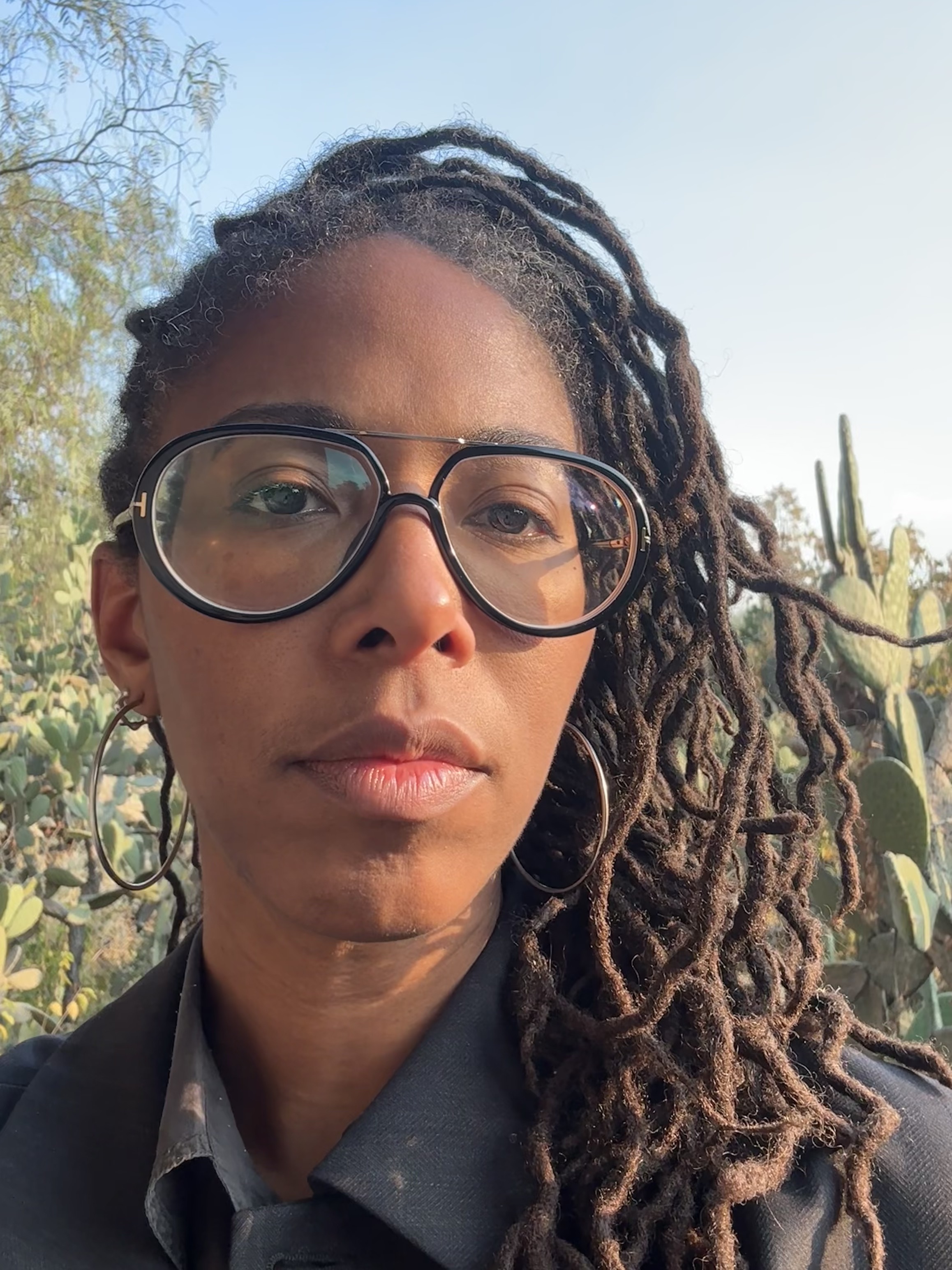
Jennifer Newsom
Architect, Artist, and Professor of Architecture, Cornell University — United States
Jennifer Newsom is an architect, artist, and educator living and working in Ithaca, New York. Newsom’s installations examine how mechanisms of perception are inflected by memory, myth, and the architectural situation. She considers her built constructions in the context of social constructs, where bodies, images, and environments form loci of shifting meaning, often utilizing her work to mine the perceptual uncertainties at the boundary of what is actual and what is imagined. Her installations’ emphasis on ways of seeing and the agency of movement highlight the influence of those who encounter it; Newsom considers her work a platform for visceral experience and chance.
At Bogliasco, Newsom will cultivate a solo body of work — small-scale models, drawings, and texts — that bring the themes of her larger installations to more intimate registers. She will also continue work on a forthcoming publication reflecting on her practice and life. Combining essays, photography, drawing, and dialogic interludes to investigate themes of perception, representation, and embodiment, the project is an exploratory vehicle fusing many years of writing and making.
Classics
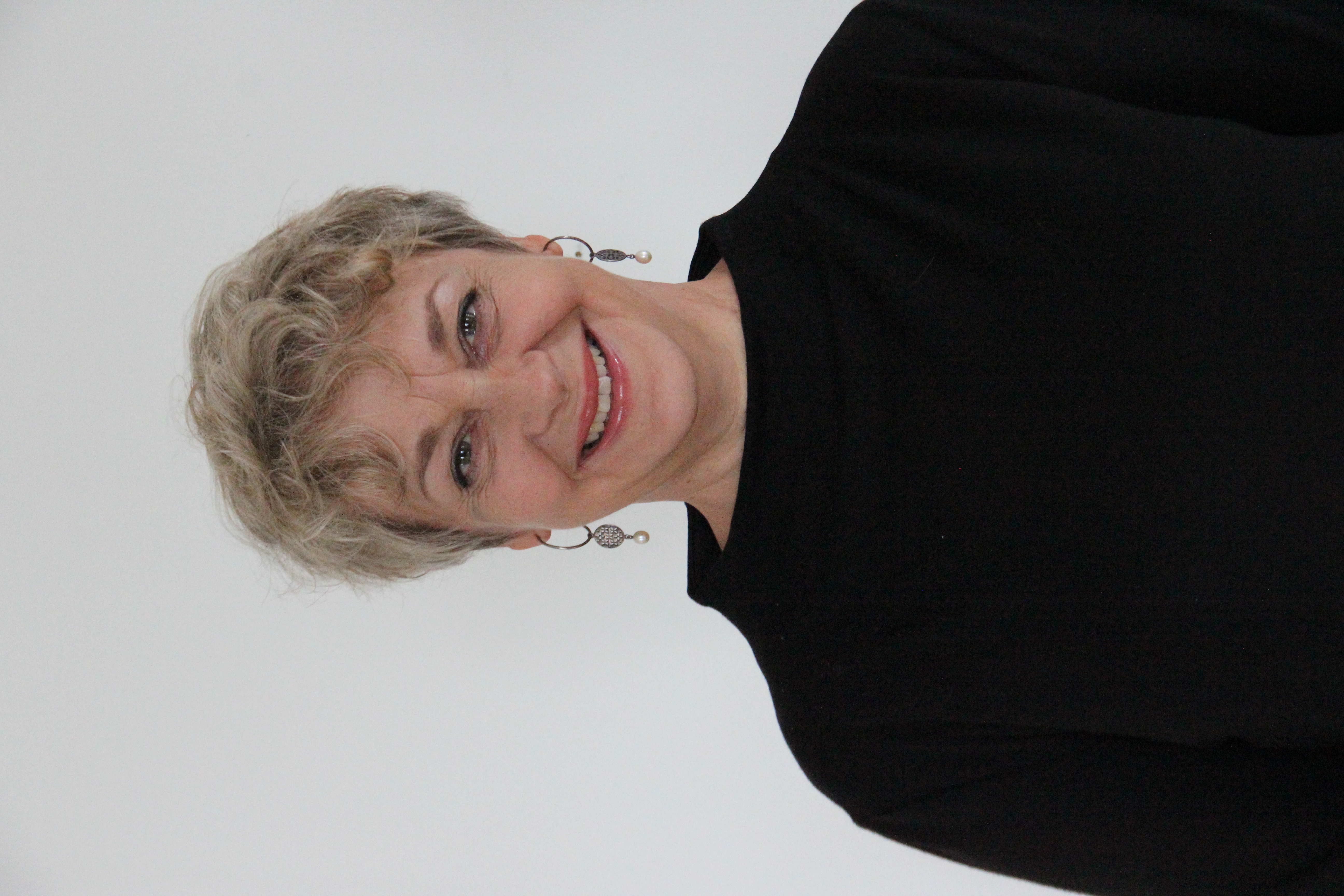
Danielle van Mal-Maeder
Researcher and Professor of Latin Language and Literature, University of Lausanne — Switzerland — Fondation Biaggi de Blasys Fellow
Danielle van Mal-Maeder is Professor of Latin Language and Literature at the University of Lausanne. She has worked at the University of Groningen and benefited from residences at the Swiss Institute in Rome and the Scuola Normale Superiore in Pisa. Her research focuses on the ancient novel and rhetoric. Director of a research center on ancient declamation, she collaborates on various international projects. From 2020 to 2026, she was subsequently Vice-Dean and Dean of the Faculty of Arts in Lausanne.
Her current research focuses on the Declamationes Minores, a collection of rhetorical exercises written in the 1st or 2nd century AD by a rhetor traditionally identified with the great Quintilian. This collection contains 145 declamations in Latin that have never been translated into French. The density and difficulty of this corpus also necessitate a commentary. This work is conducted in close collaboration with colleagues in France, Italy and Switzerland.
Dance

Hilary Brown-Istrefi
Choreographer, Performer, and Teaching Artist — Canada/United States
Hilary Brown-Istrefi is a Canadian-American choreographer, performer, and teaching artist based in Rockaway Beach, NY. Along with her twin sister Briana Brown-Tipley, she is the co-founder and director of Same As Sister (S.A.S.), an award-winning bi-national performance collective celebrating 13 years of collaborative and interdisciplinary storytelling. Their performance and film commissions have been presented and screened internationally in the US, Canada, Greece, Italy, and France.
Revealing the poignant intersections between twinship, blackness, mental illness, and art-making, Upstairs, In Our Bedroom is a multimedia dance performance that radically reimagines Same As Sister’s joint autobiography alongside that of the Barbadian-British outsider artists June-Alison and Jennifer Gibbons (‘The Silent Twins’). During her residency, Brown-Istrefi will research how different means of reenactment can be devised to perform this complex entanglement of identities.
Film/Video
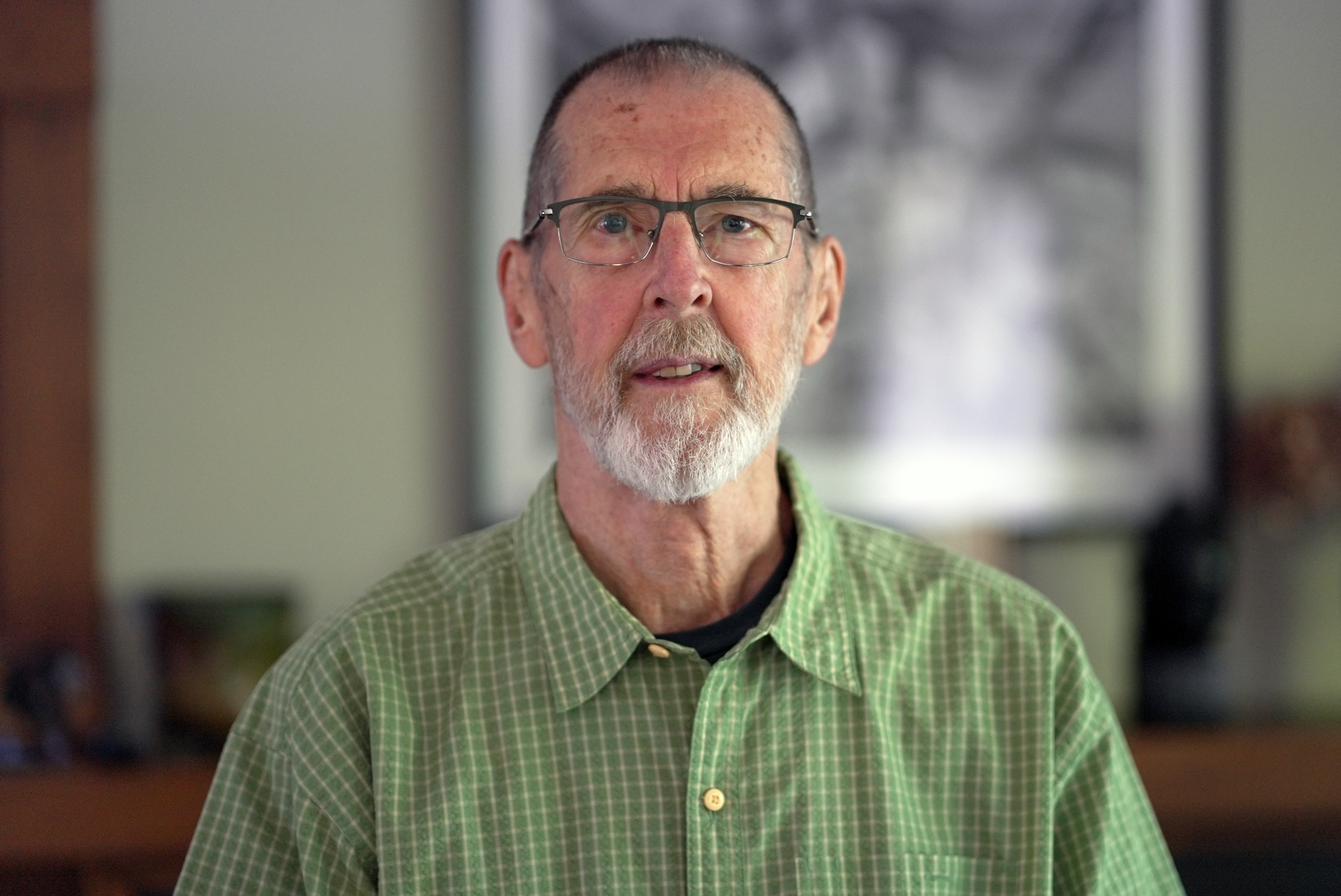
John Haptas
Documentary Essayist — United States
John Haptas and Kristine Samuelson’s documentary essays have been screened at festivals and theatrical venues worldwide, Their most recent film, Life Overtakes Me, premiered at Sundance, was nominated for an Academy Award, and is now on Netflix. They were recipients of fellowships from the Japan-U.S. Friendship Commission and have been filmmakers-in-residence at the Victoria College of Art, Melbourne, and at the Vietnam University of the Arts, Hanoi. They are members of the Academy of Motion Picture Arts and Sciences.
At Bogliasco, John Haptas and Kristine Samuelson will be editing their new documentary, Milvia Street, a portrait of the Berkeley (CA) Adult School. The film immerses viewers in intense learning communities of dedicated teachers and students from 18 to 80 trying to change their lives. Some, having navigated major life challenges, are now working toward long-deferred high school diplomas. Others are immigrants who juggle work and family obligations as they learn English as part of their effort to assimilate to their new country.
Film/Video
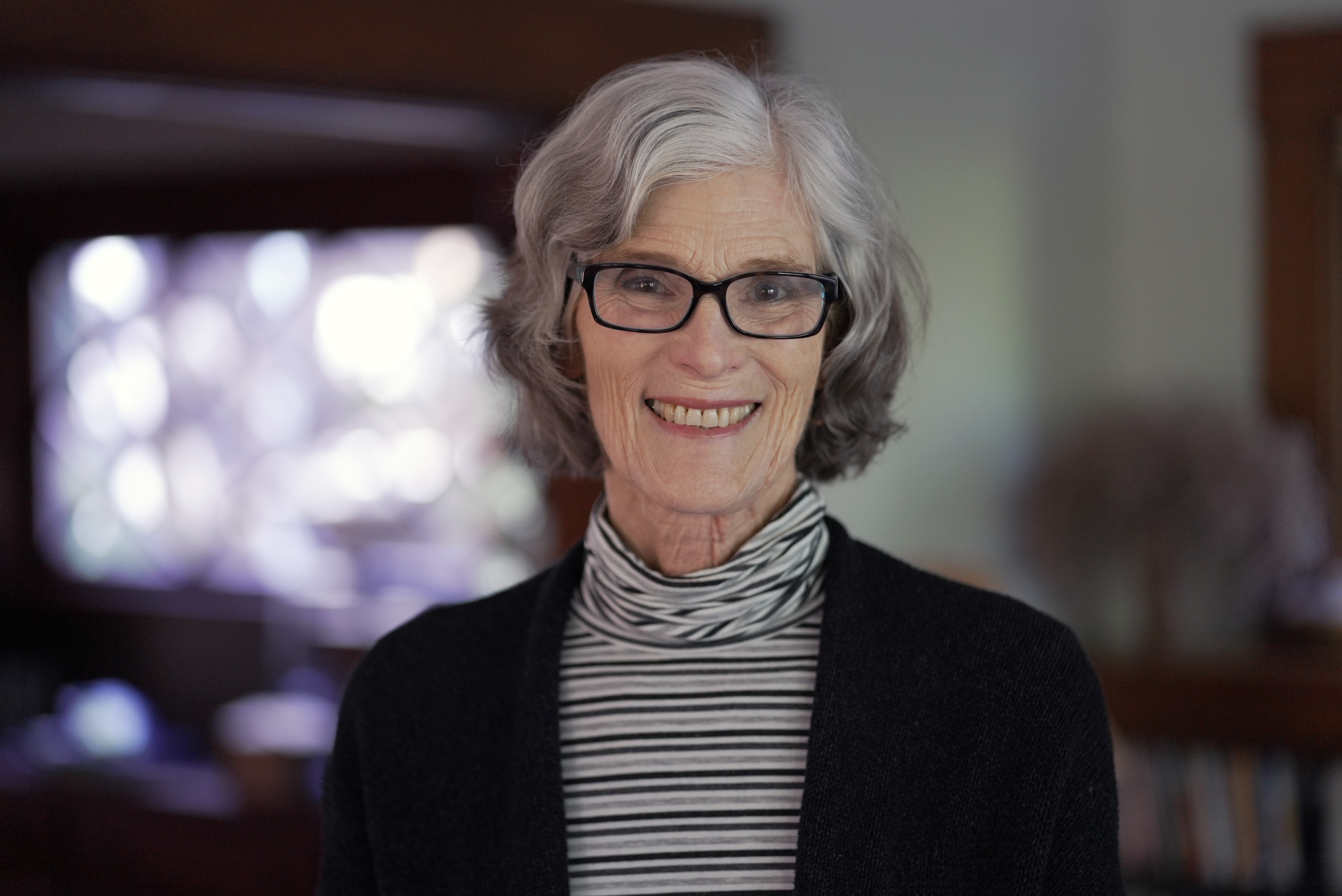
Kristine Samuelson
Documentary Essayist and Professor Emerita, Stanford University — United States
Kristine Samuelson is a documentary essayist working in partnership with John Haptas. Their films have screened at film festivals and in theatrical venues worldwide. Life Overtakes Me premiered at the 2019 Sundance Film Festival, was nominated for a 2020 Academy Award, and is streaming on Netflix. Kristine is also an emerita professor at Stanford University, where she taught in the MFA Film & Video Program for thirty years. She has also taught filmmaking workshops in Africa, Australia, and Nepal.
At Bogliasco, Kristine Samuelson and John Haptas will be editing their new documentary, Milvia Street, a portrait of the Berkeley (CA) Adult School. he film immerses viewers in intense learning communities of dedicated teachers and students from 18 to 80 trying to change their lives. Some, having navigated major life challenges, are now working toward long-deferred high school diplomas. Others are immigrants who juggle work and family obligations as they learn English as part of their effort to assimilate to their new country.
Humanities Scholarship
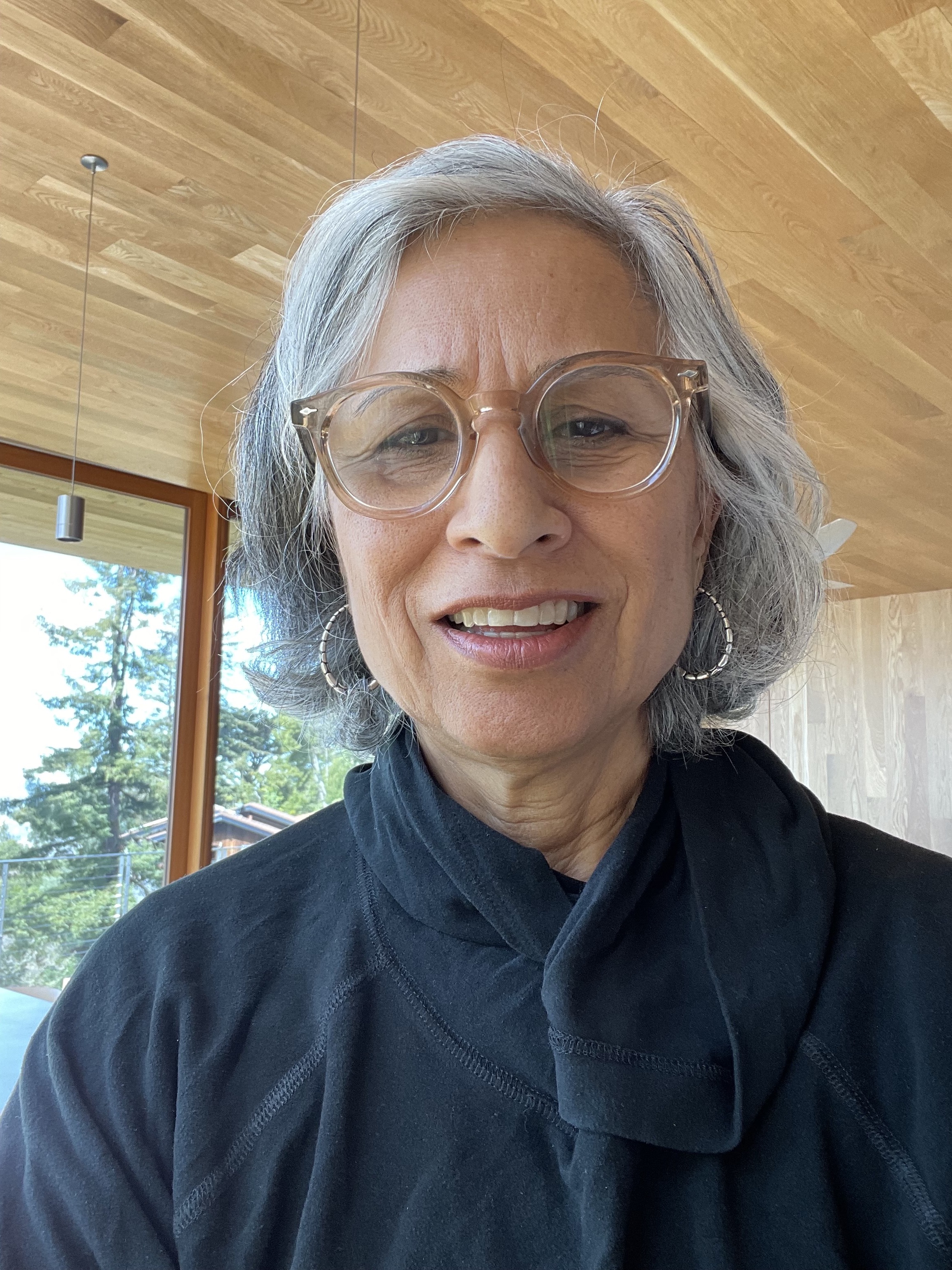
Inderpal Grewal
Author and Professor Emerita, Yale University — India/United States
Inderpal Grewal is Professor Emerita, Yale University, known for books, essays and anthologies, and service on editorial and advisory boards on transnational feminist theory, travel, empire, and South Asia. Among her many publications are the co-edited Scattered Hegemonies Postmodernity, and Transnational Feminist Practices, and a special issue of SocialText, “Security from the South.” Her latest book is Saving the Security State: Exceptional Citizens in Twenty-first Century America.
The photographs of the 1947 Partition of India taken by American photojournalist, Margaret Bourke-White for the American magazine Life have become iconic images of this event, contributing to how not just the world but also South Asians in India understand their history and the making of independent India. These images reappear in India in numerous publications, in museum collections of important photographs and in museums of national and Partition history. Relying on approaches to visual culture such as John Berger’s “Ways of Seeing,” and Stuart Hall’s theory of “coding and encoding,” I investigate how people in India and elsewhere learned to look at images and understand historical events in particular ways. To that end, my project seeks to examine iconic images of key events in India’s postcolonial history, beginning with the Partition, and ending with the contemporary period. Inderpal will draft a chapter on Margaret Bourke-White for a book project entitled “Violence and Postcolonial visuality: Images in the Making of the National, the Communal, and the Secular in India.” With chapters on Partition, the Sikh pogrom in 1984, the Gujarat pogrom in 1992, and the current state-sponsored violence against Muslims, the chapter on Bourke-White is the first chapter and central to her argument about the role of photojournalism (American and Indian) in creating iconic images of historically significant events and influencing how Indians and Americans learned to view and understand these events in modern India.
Literature

Miha Mazzini
Author and FIlmmaker — Slovenia
Miha Mazzini is an author of 30+ books translated into 15 languages and an award-winning filmmaker (Erased, now on Amazon Prime). A Pushcart Prize winner, his work is shaped by a childhood spent between a grandmother who was seeing ghosts and souls, angels and devil and a mother who was Stalin in a skirt. This unique upbringing drives his focus on overlooked truths, bureaucratic traps, and individuals lost in the system they don't understand. His PhD is in Anthropology of everyday life.
In Ghost in the Machine (working title), Miha explores the "Useless Class". As AI replaces labor, work becomes a status symbol. The novel follows a family trapped by this shift: parents struggle with obsolete technological implants, while younger daughter is ostracized by the elite due to her work-chip. Meanwhile, older daughter's organs are leased globally, leaving only her brain behind. It is a dark study of humanity’s fight against systemic obsolescence.
Music
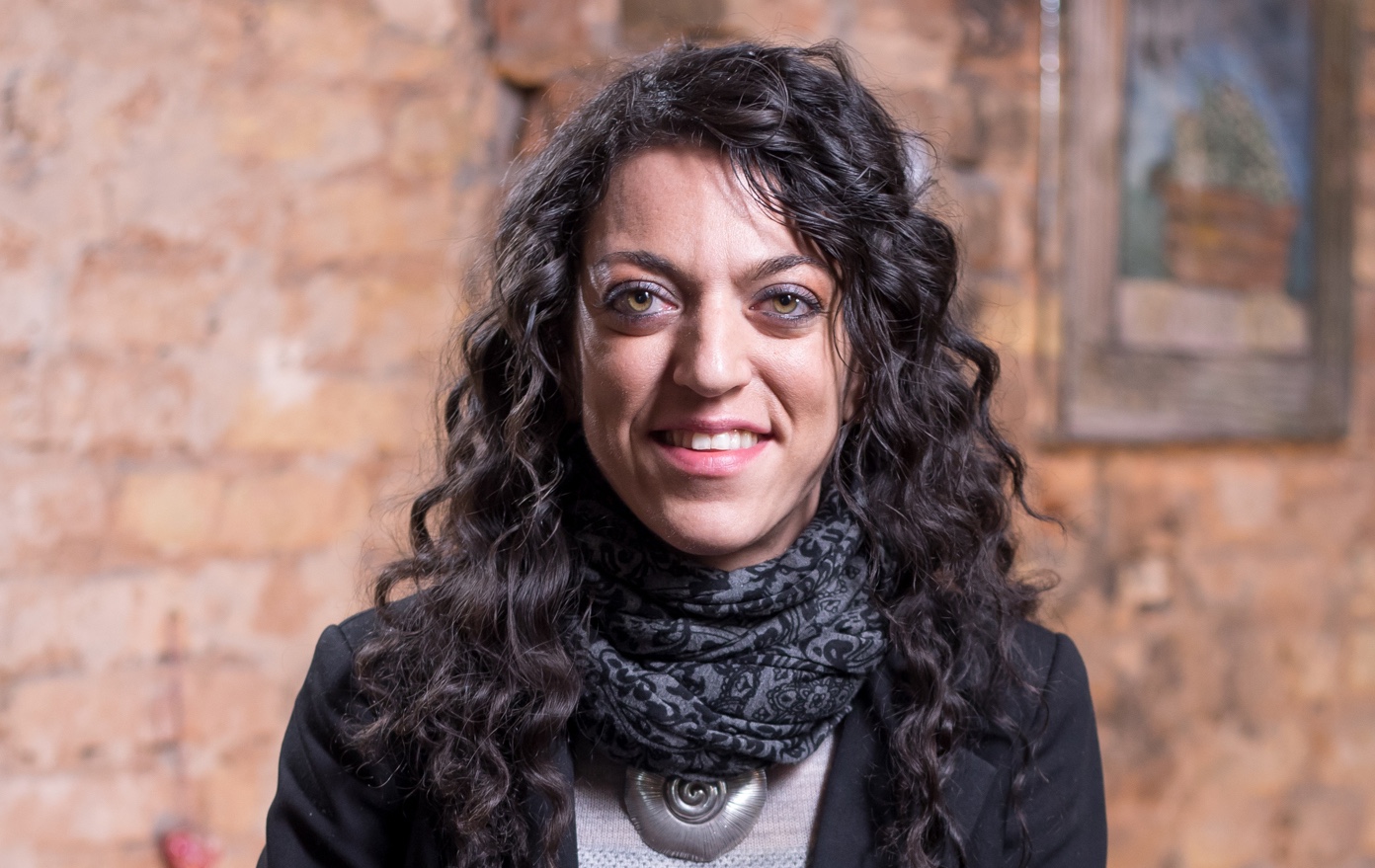
Annachiara Gedda
Composer and Professor of Composition, Reggio Calabria Conservatory — Italy
Annachiara Gedda is a composer and professor of composition at the Reggio Calabria Conservatory. Winner of several international composition competitions, including the Toru Takemitsu Composition Award and the Valentino Bucchi Prize, her works have been performed by musicians such as Tokyo Phil. Orchestra, Stuttgarter Kammerorchester, Royal Liverpool Phil. Orchestra, ORT, Orch. National d’Auvergne to mention but a few. She has been composer in residence for the Società dei Concerti (Milan) and for the EstOvest Festival (Turin). Her works are inspired by visual arts, architecture, literature and current issues.
In Bogliasco, Annachiara will work on two major projects. "1939", a piece for choir and orchestra: the work is part of a complex opera, in which twelve composers narrate the story of Oskar Schindler. “12 contemporary nonsense studies”, inspired by Alice's Adventures in Wonderland by Carroll: a collection of twelve studies for guitar, each of which exploring a different extended technique. The project includes the publication and recording of this collection, in collaboration with the guitarist Edoardo Pieri.
Theater

Paul Guzzardo
Theatermaker and Lawyer — United States/Argentina
Paul Guzzardo is a multidisciplinary artist working at the intersection of theatre, urban systems, and technology. Emerging from 1990s St. Louis, his work addressed early algorithmic and networked forces through performance, urban space, and computational systems. He developed Recursive Urbanism, a practice exploring cultural transmission under technological change. His current project, The Aeneid Reboot, examines memory and myth in the age of AI.
The Aeneid Reboot is a bilingual performance reimagining Virgil’s epic through multiple exiled Aeneases, narrated by a successor intelligence assembling meaning from fragments—myth, testimony, and digital traces. Staged as a shared civic space where narrative is continuously recomposed, the work examines how collective meaning forms under technological pressure. At Bogliasco, the project will be further developed in structure, language, and staging.
Visual Arts
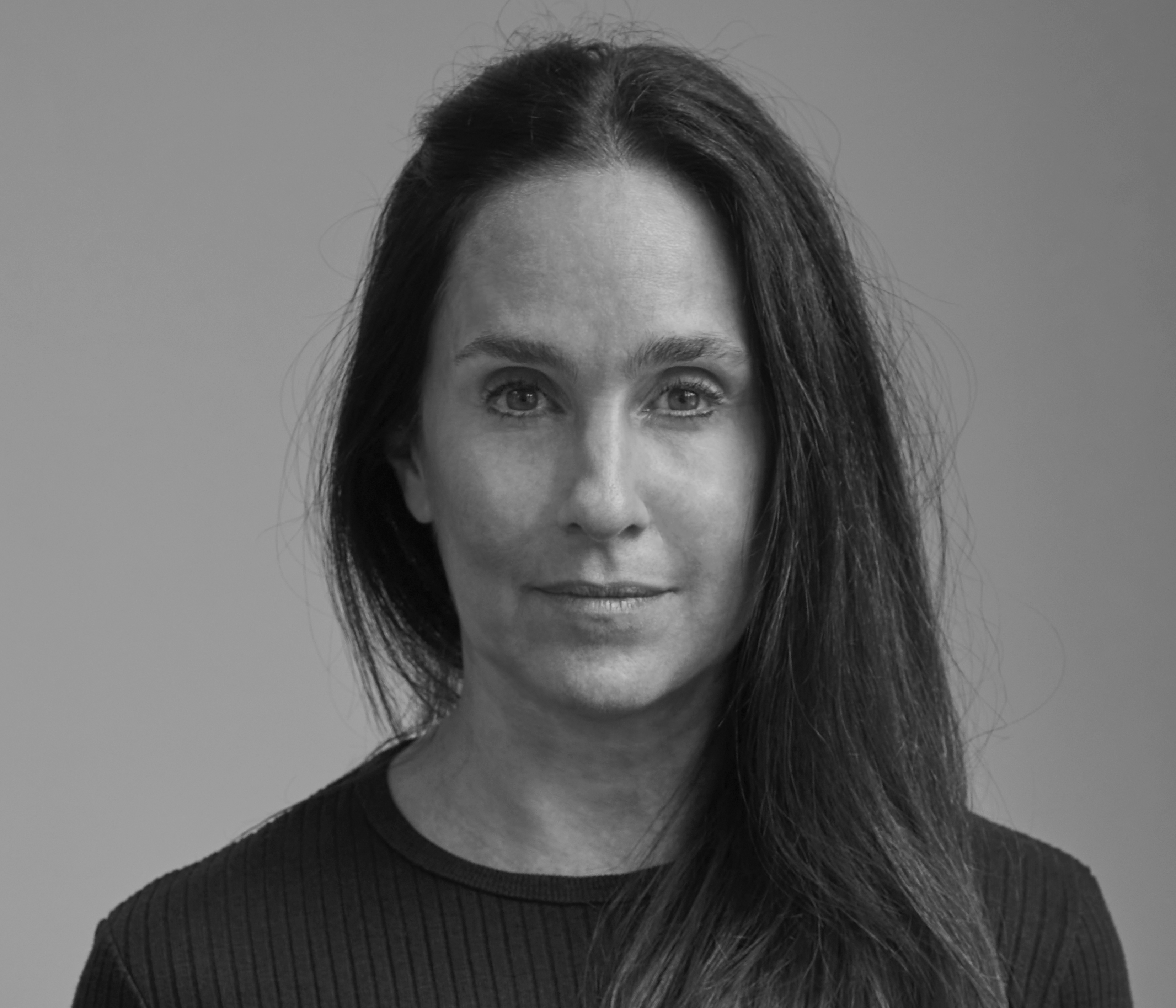
Luz María Bedoya
Visual Artist — Peru
Luz María Bedoya’s practice interrogates the poetics of the real, sounding the porous zone where the material event becomes poetically mobilized. With intermediality at its core, her work often lets the written word permeate the visual, deploying fiction as a critical tool. She has represented Peru at the Venice, Sharjah, and Havana biennials, and counts among her fellowships residencies at the Cité des Arts in Paris, IMMA in Dublin, RIAA in Buenos Aires, Civitella Ranieri in Perugia, and ArtsIceland in Isafjordur. Across recent projects, geography, navigation, writing, and sound intertwine.
At Bogliasco, Luz María will develop her research project centered on a paradoxical, error- correcting territory within digital cartography, a functional fiction that raises questions about errancy, counter-archives, and the residual.